de / en

Slewing rings

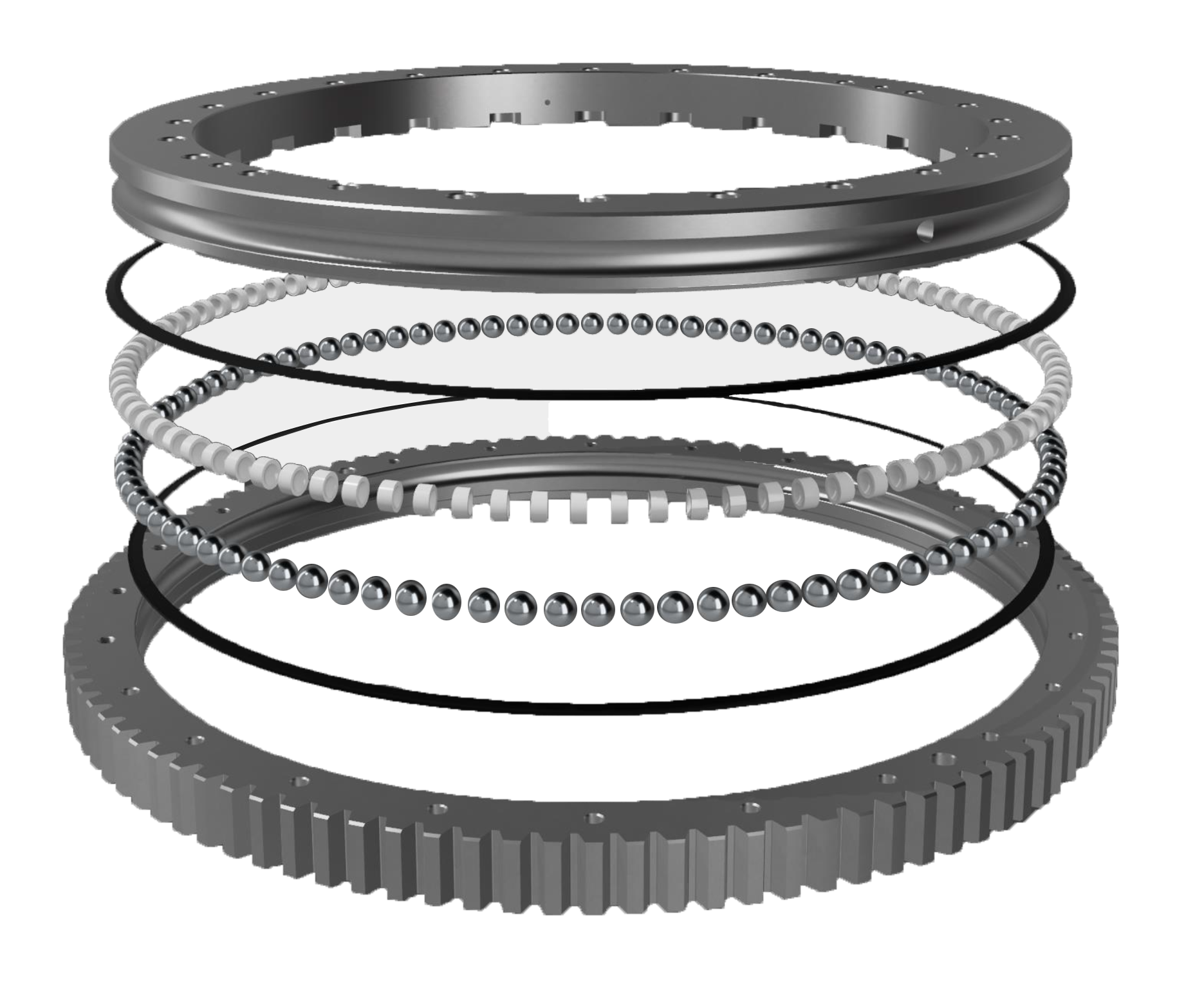
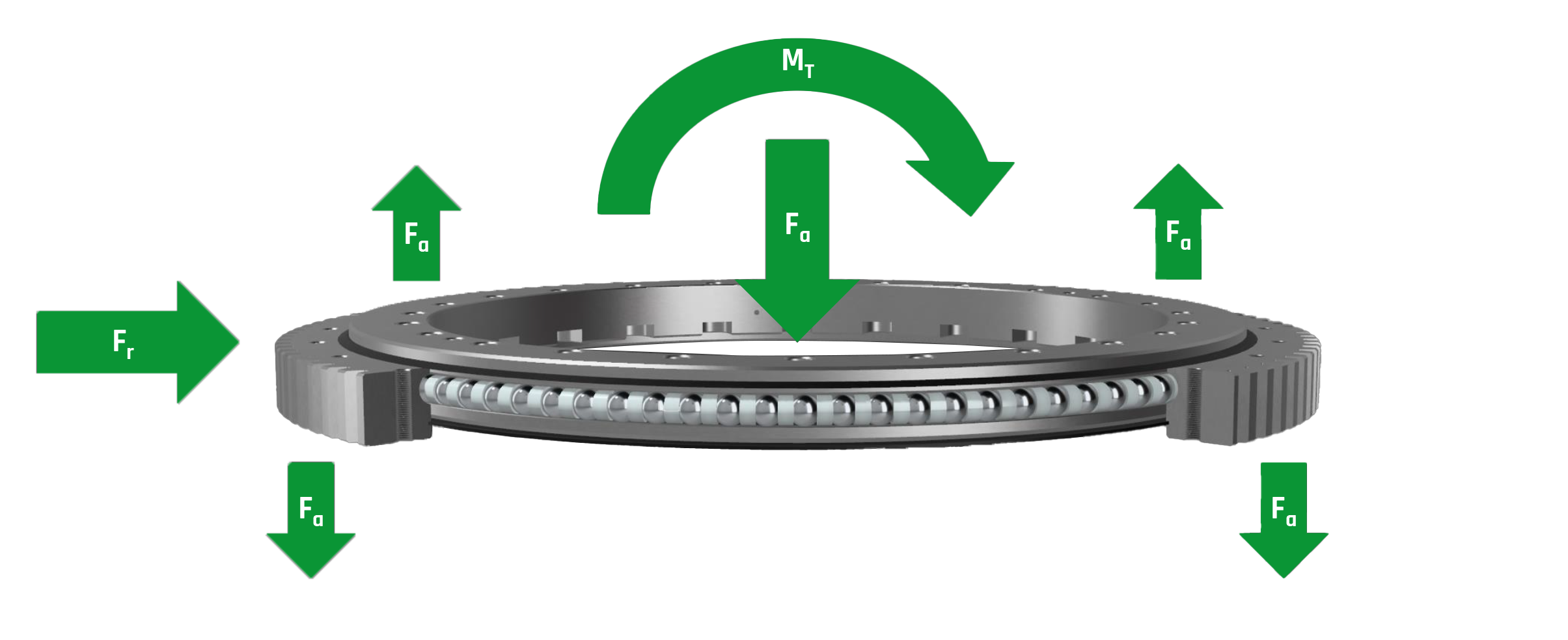
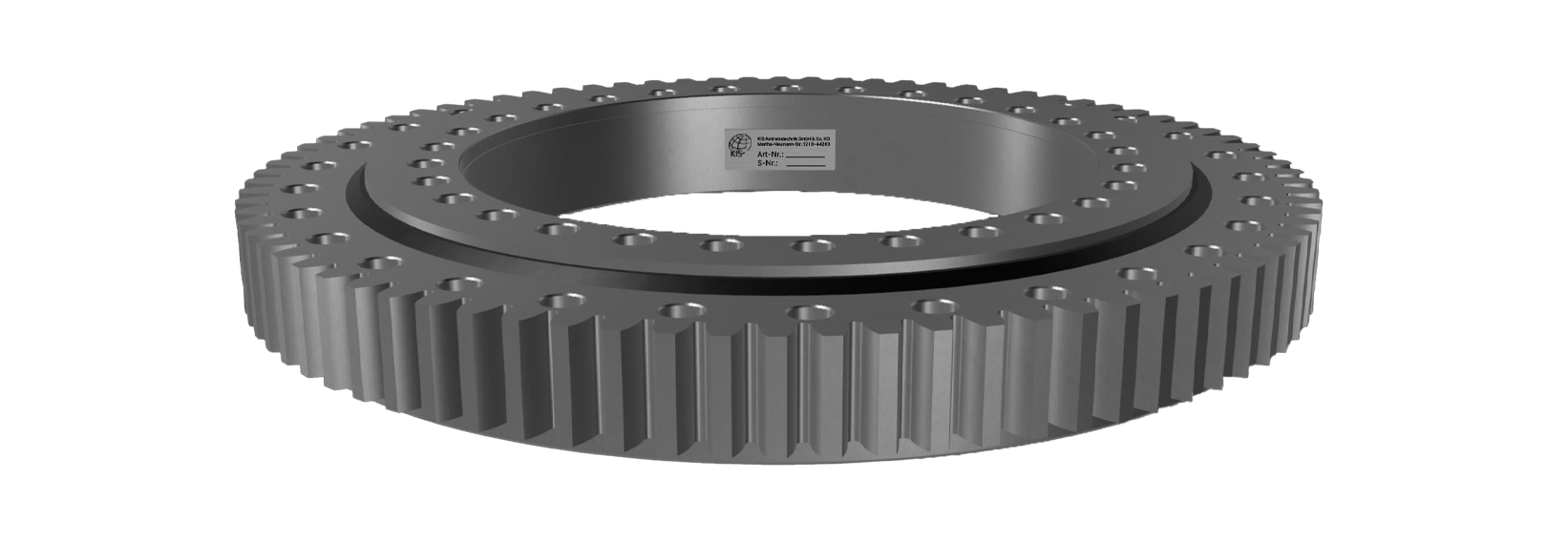
Slewing rings are structural elements used as rotating joints in large machines and systems. As versatile roller bearings with a large diameter, they ensure the simultaneous transmission of axial, radial and tilting moment loads with low friction.

Installation:
Not mounted on a shaft or in a housing like ball/roller bearings, but axially fastened via bolted connection of the rings to the adjacent structure

Mounting positions:
Usually horizontal, but also possible in suspended or vertical orientations

Basic design:
Single-row → inner and outer ring
Multi-row → up to three rings

Rolling elements guided and separated by retainers, retainer segments or spacers, sealed raceways with grease lubrication

Types:
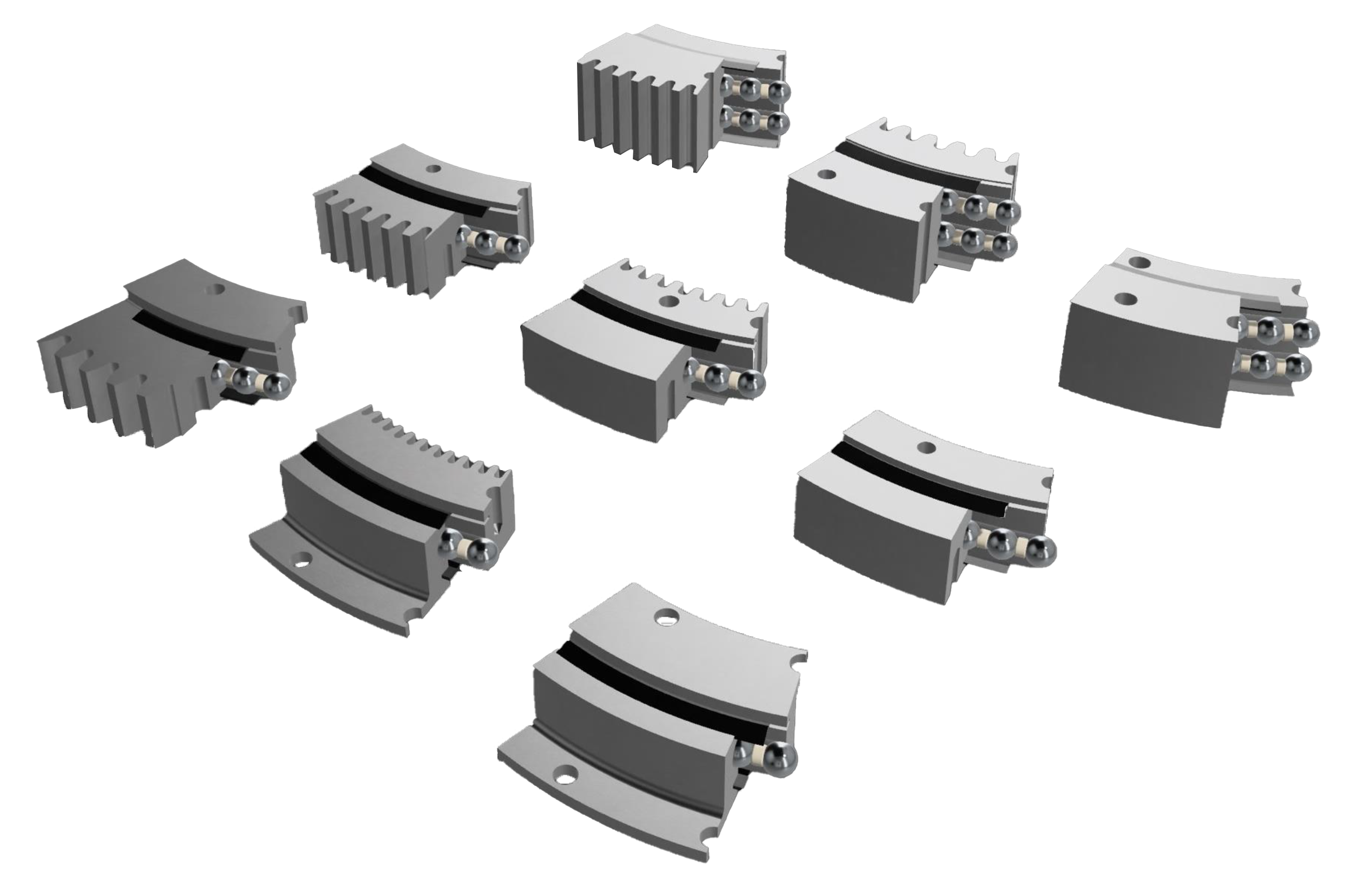
Ball slewing bearings
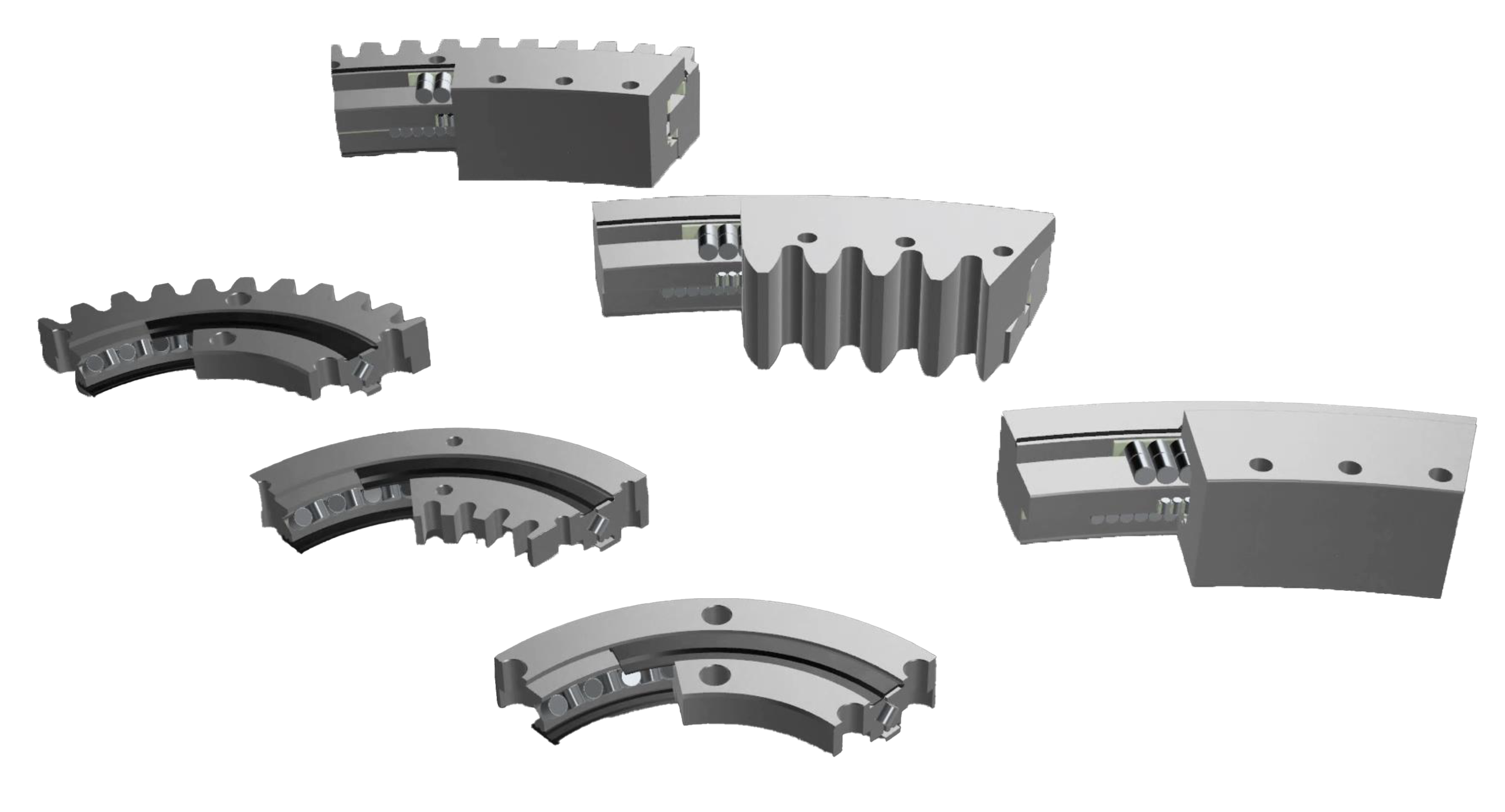
Roller slewing bearings
⚠️ Special designs for application-specific requirements

Ball Bearing Slewing Rings

Manufacturing options
(with-/out flange, double row)

  • Special dimensions
  • Application-specific tolerance adjustment
  • Specific gear qualities
  • Indiv. bore patterns
  • Material adaptations
  • Special sealing systems
  • Application specific lubricant
  • Coating variants
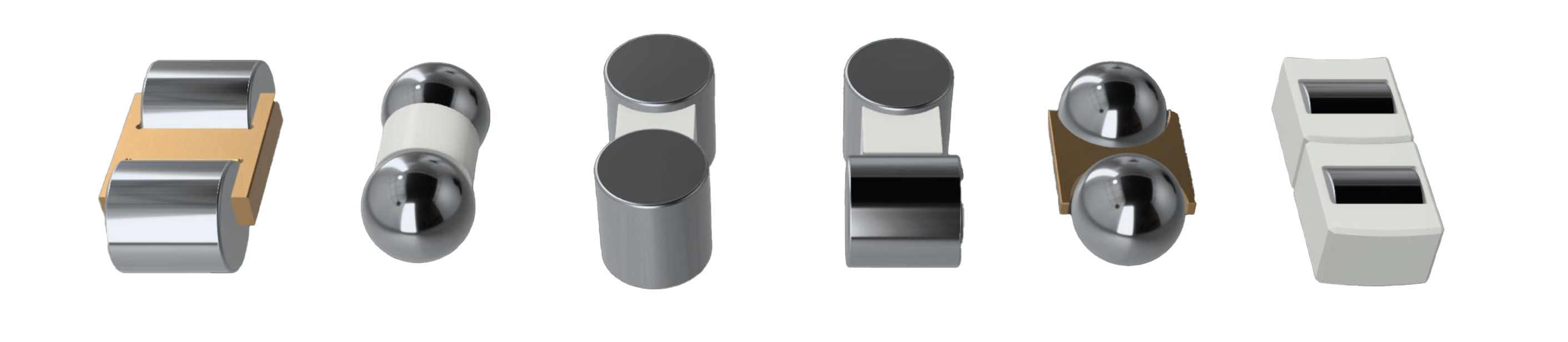
  • Special cage variants/spacer
  • Specified bearing clearance/tilt play
  • Paint finish

Roller Bearing Slewing Rings

Manufacturing options
(double/triple row)

  • Special dimensions
  • Application-specific tolerance adjustment
  • Specific gear qualities
  • Indiv. bore patterns
  • Material adaptations
  • Special sealing systems
  • Application specific lubricant
  • Coating variants
  • Special cage variants/spacer
  • Specified bearing clearance/tilt play
  • Paint finish

Ring Materials

Standard Ring Materials

  • Low-alloy, heat-treatable steels
  • Seamless rolled rings, commonly:
    • 42CrMo4
    • 50Mn
    • C45
  • Temperature application range: –20 °C to +120°C
    • Short-term up to +150°C(depending on lubrication & sealing)

Heat Treatment & Application

Normalized steels: suitable for general applications
Quenched & tempered steels: higher strength, preferred for slewing bearings and gears under heavy loads

Special Materials for Demanding Environments

  • Stainless steel (e.g. martensitic chromium steel 1.4034) → high humidity, saline atmosphere
  • Hardened steel alloys → increased wear resistance
  • Case-hardened or nitrided steels → improved surface hardness
  • Steels for cryogenic applications → extreme low temperatures

Note: KIS provides material solutions tailored to application-specific requirements.

Retainer and Spacers

Function

Separation and uniform arrangement of rolling elements
Reduction of friction and wear by preventing direct contact between rolling elements
Ensuring defined raceway kinematics

Retainer and Spacers

Plastics (PA6, PA1010, PVC)

  • lightweight, corrosion-resistant, cost-effective
  • application range: ≤ 70 °C, low to medium loads

Brass

  • high dimensional stability, good sliding properties, temperature resistant
  • suitable for > 70 °C, medium to high loads

Steel

  • very high strength and stiffness
  • for extreme loads and demanding operating conditions

Injection molding (plastics): economical for large series, complex geometries

Turning/milling (metals): high precision, suitable for small series

Stamping/bending (sheet cages): cost-efficient for series production, robust design

  • Temperature and media resistance
  • Weight and mass inertia
  • Wear and friction behavior
  • Noise generation during operation
  • Service life depending on lubrication and load profile

Application-specific design of cages and spacers
Adaptation of geometry, material, and manufacturing process
Development of special solutions for challenging loads and environmental conditions

Surface Solutions

Surface solutions according to DIN EN ISO 12944 – including corrosion protection coatings, preservation and customized paint finishes (RAL or color palettte)

Surface Solutions

Surface solutions according to DIN EN ISO 12944 – including corrosion protection coatings, preservation and customized paint finishes (RAL or color palettte)

Corrosivity Category

C1

C2

Environmental Description

Dry indoor areas

Indoor areas with occasional humidity/sheltered outdoor areas

Corrosivity Level

Very low, non-aggressive

Low to moderately aggressive

C3

Industrial atmosphere, urban outdoor climate

Moderately aggressive – indoor/outdoor

C4

Chemically polluted industrial environment/coastal areas with low salinity

High

C5 (industrial)

Aggressive industrial atmosphere with high humidty

Very high, strongly aggressive

C5 – M (marine)

Coastal and offshore areas with high salt concentration

Very high, marine strongly aggressive

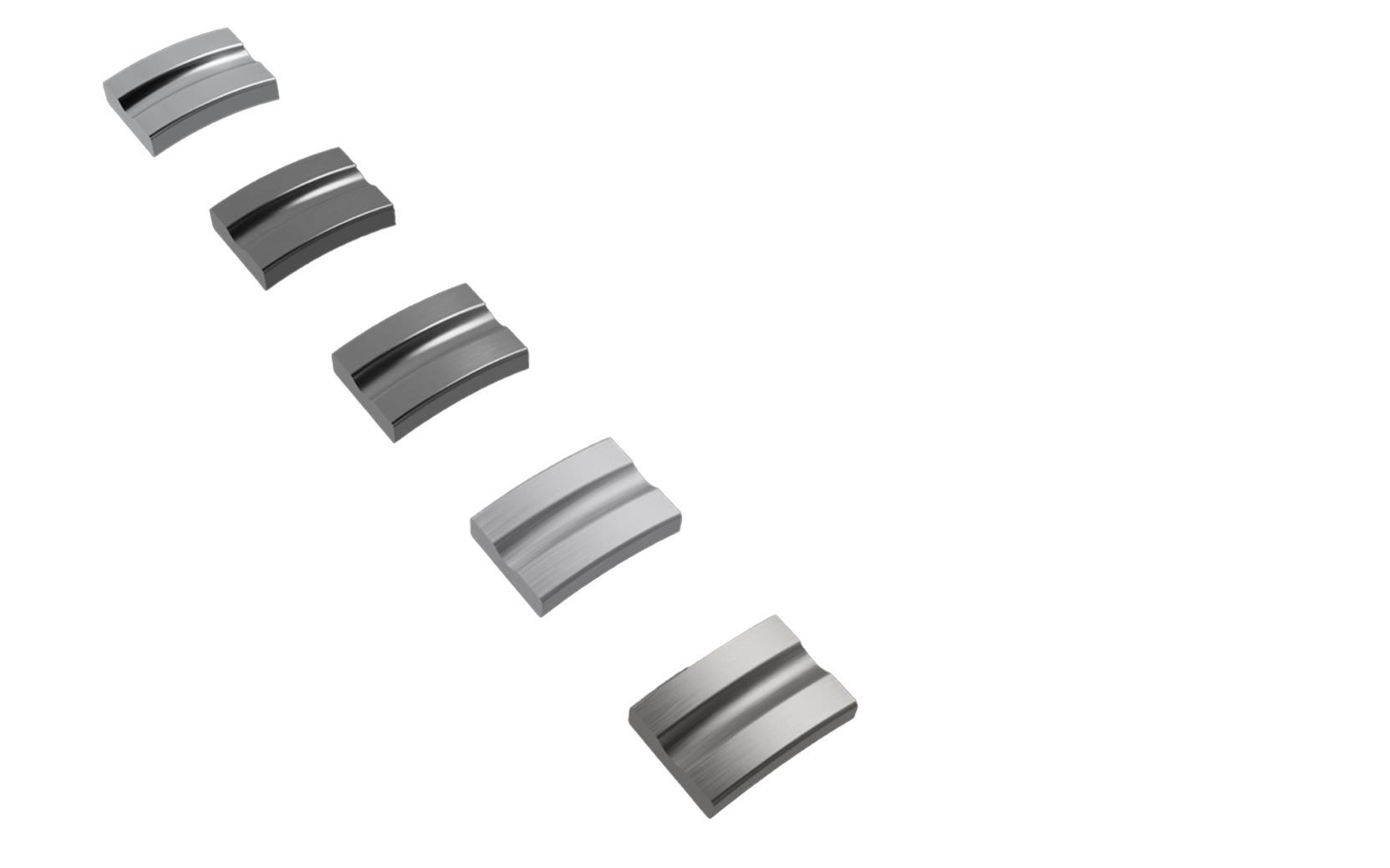
Raceway Hardening and Performance

The ball and roller raceways of the rings are mannufactred from alloyed, quenched-and-tempered steel, precision-finished and industion hardened to ensure maximumload-carrying capacity and extended service life.

  • Surface hardening is one of the decisive factors for the functional reliability and lifetime of a slewing ring
  • Achieved hardness level: min. 55 HRC, providing high wear resistance under rolling contact fatigue
  • Effective hardening depth is defined by the maximum shear stress location according to Hertzian contact theory and size of the rolling elements
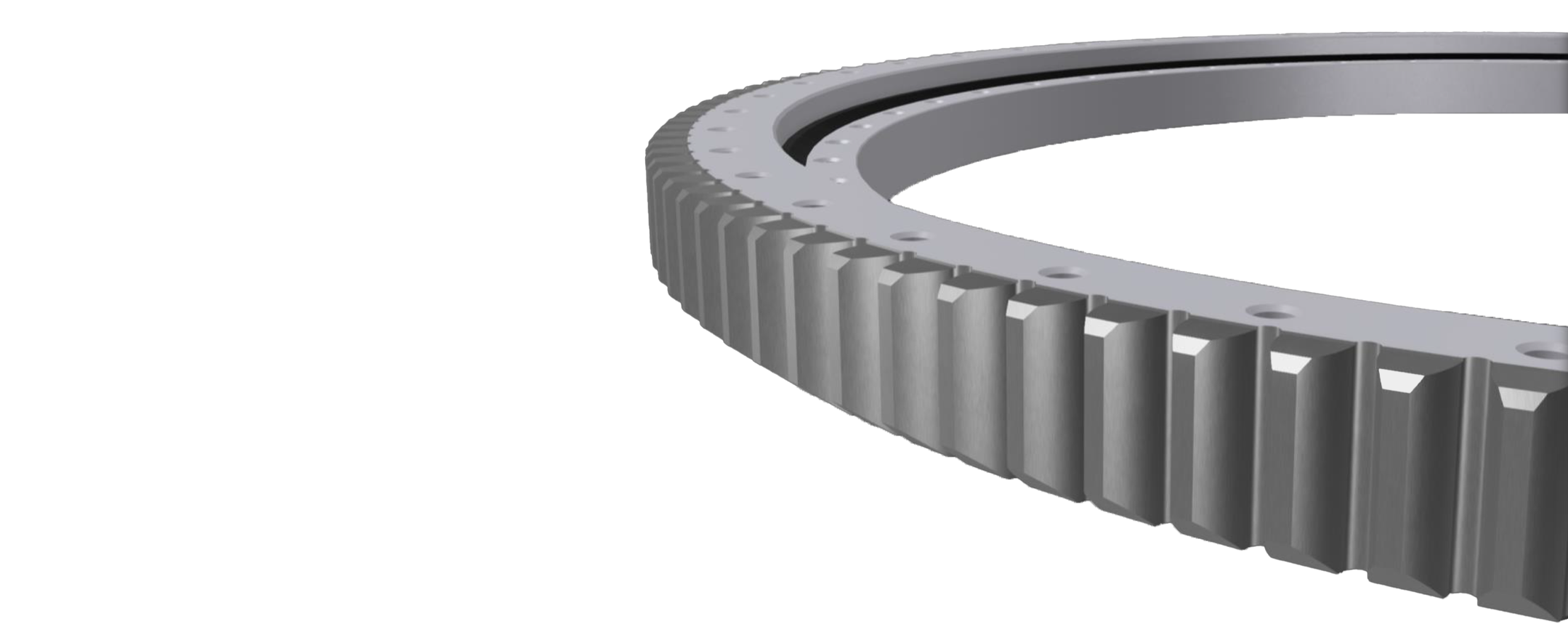
  • Due to the induction process, each raceway contains a soft transition zone, an unhardened section between the start and end of hardening. This zone is technologically unavoidable, but considered in the design to maintain operational safety

Gears

  • Straight, helical or special gearing
  • Gear hardness: Either normalized (base material) or induction-hardened
  • Hardening mainly at tooth root/flanks, depending on module size
  • Surface hardness: 55±4 HRC, with depth optimized to prevent pitting and tooth breakage
  • Runout accuracy influenced by machining & heat treatment
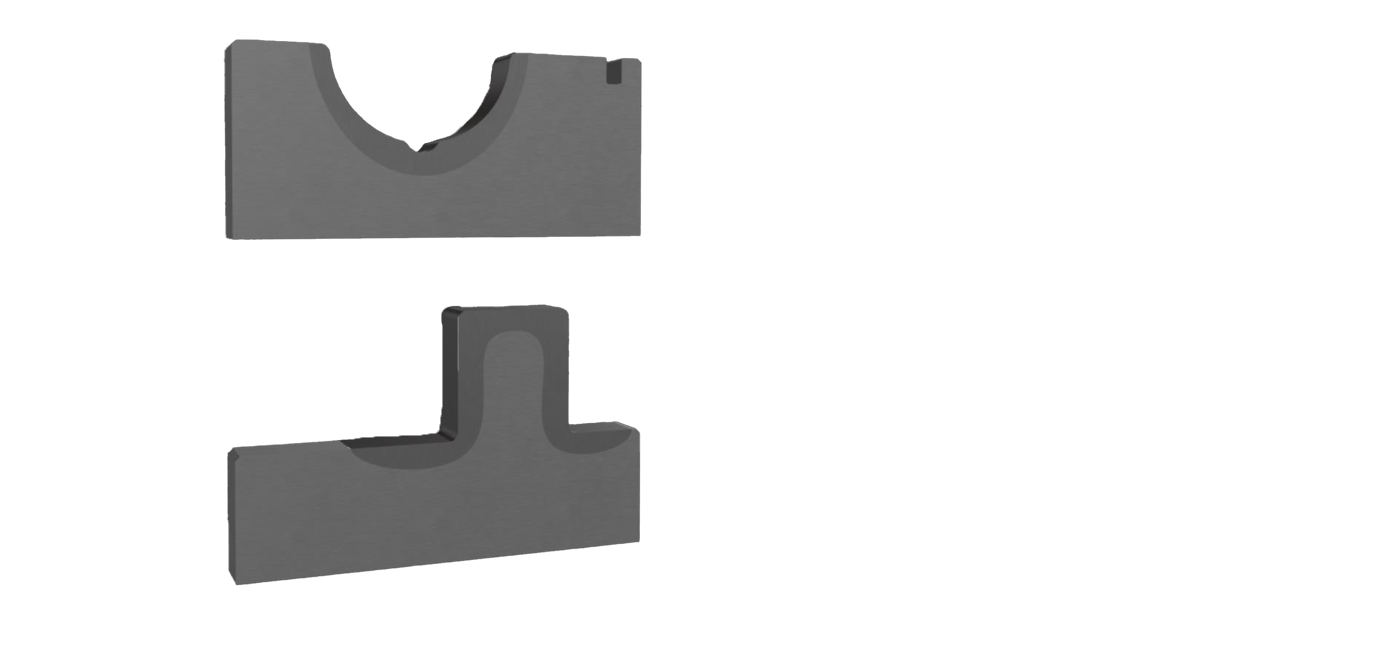
  • Max. runout deviation marked by 3 coloured teeth
  • Center tooth = peak deviation

  • Higher profile and flank accuracy → Improved tooth geometry, leading to lower pitch and runout deviation
  • Reduce surface roughness (Ra, Rz) → Less friction, lower noise emission
  • Improved load distribution across tooth flanks → Reduced risk of local stress peaks and premature wear
  • Increased transmission accuracy
  • Lower backlash variation
  • Extended service life
  • Better compatibility with hardened surfaces

  • Well suited for moderate loads and speeds
  • Precise tooth profiles for exact power transmission
  • Robust surface finish
  • Can be used without tooth corrections
  • Flexibility in geometry
  • Cost-effective solution for standard applications

Individual Load Profiles

  • Application specific raceway profiles for complex load collectives
  • Optimized induction hardening depth based on Hertzian contact mechanics
  • Robust cross-section design provides reliable absorption of radial forces
  • Large diameter combined with multi-row design offers high resistance to tilting moments
  • High load safety factors
  • Precision finishing
  • Special design for hanging applications
  • Manufactured with optimized flatness and runout accuracies
  • Reduced bearing clearance (axial/radial) or with precise defined preload

Turnkey Solutions

Application specific system solutions including…

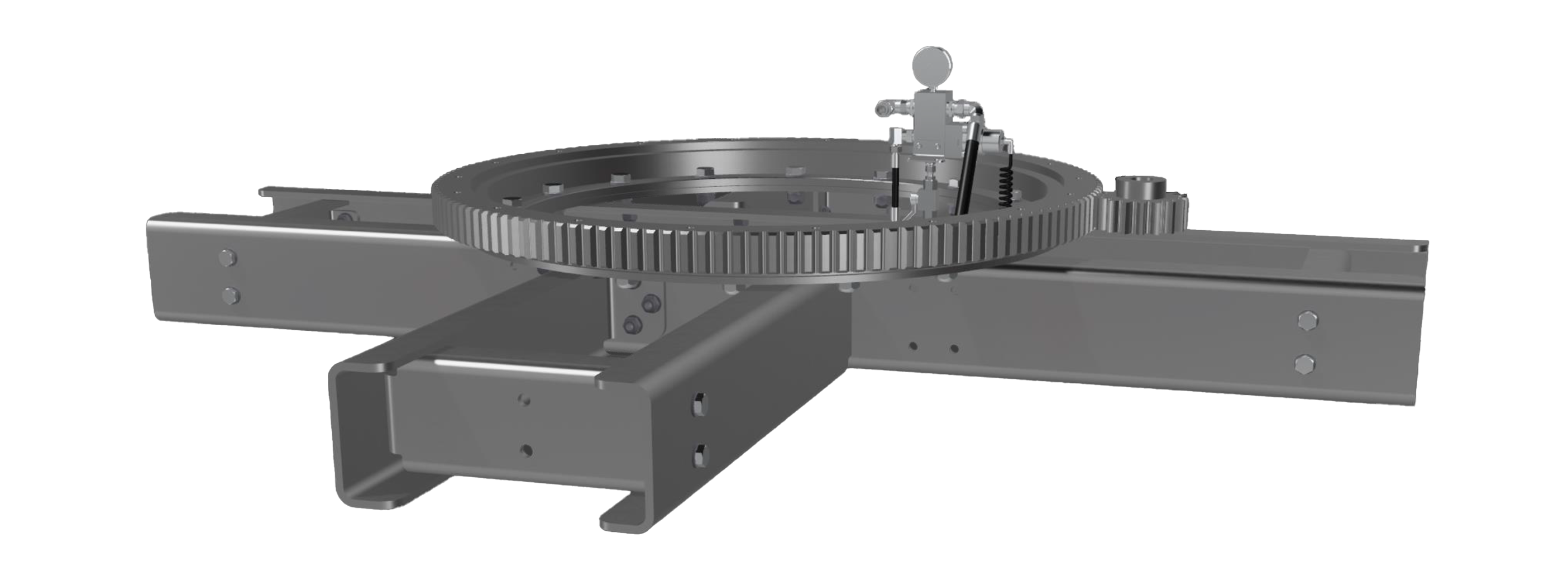
  • Slewing ring
  • Pinion
  • Lubrication solution
  • Sealing systems
  • Fastening solutions
  • Surface protections
  • Integration of sensors
  • Connecting elements (e.g. pre-assembled steel frames and constructions)
  • Turnkey assembled modules
  • Reconditioning/Lifecycle Service

80% of Bearing Failures are Lubrication-Related

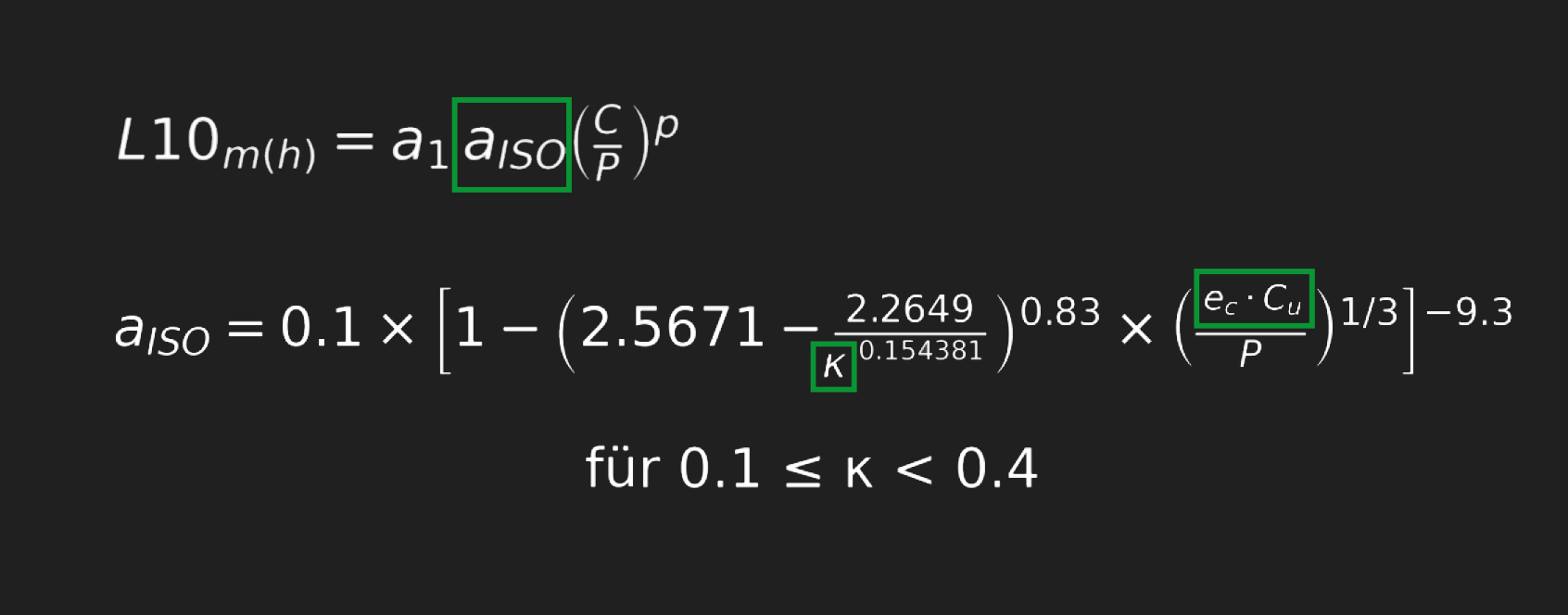
The aISO-Extension of lifetime equation (ISO 281) takes into account:

1. Lubrication quality: Viscosity, depending on temperature (𝜿)

2. Lubricant purity (𝒆𝒄)

3. Material quality & internal design (𝑪𝒖)

This ensures that the classic L10 service life (based on load only) is more practice-oriented, as 80% of bearing failures are caused by lubrication/contamination.

KIS Expertise

The KIS engineering department develops customized rotary solutions tailored to the most demanding applications. All designs are created according to customer requirements while complying with international standards and regulations:

  • Validation of service life in accordance with ISO TS 16281
  • Validation of bolts in accordance with VDI 2230
  • Validation of gears in accordance with ISO 6336

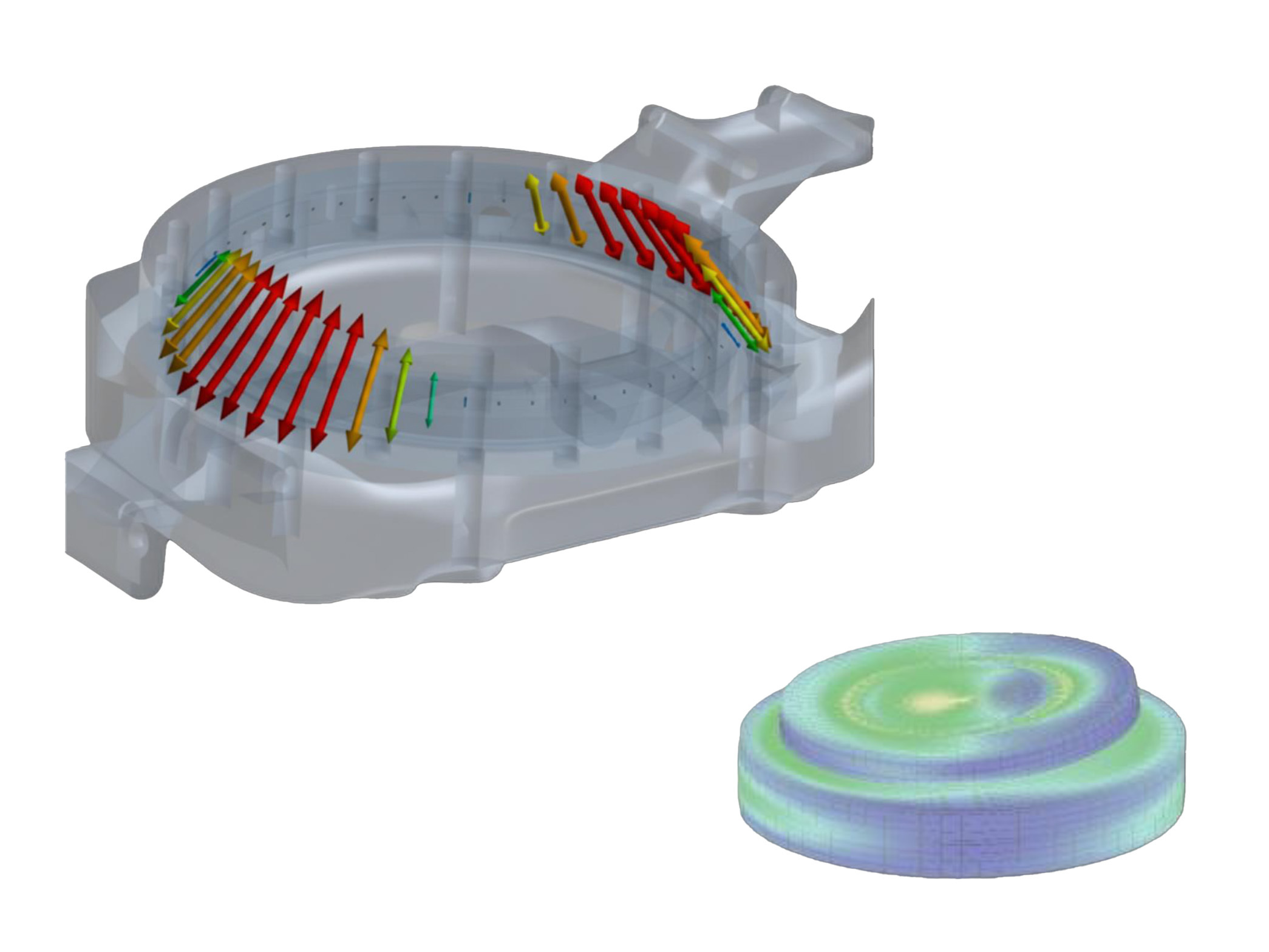
Depending on the application, advanced calculation and simulation methods are applied to evaluate:

  • Load distribution in rolling elements (incl. pressure distribution on rollers)
  • Stress levels in rings and interfaces
  • Deformations and stiffness of the overall mode
  • Contact pressures and safety factors in raceways
  • Bearing life calculation for each row and the complete system (ISO 16281)

  • Dimensioning and verification of gearings and bolt connections
  • Consideration of bolt pretension and load variation effects

  • Definition of bearing ring geometry (polygonal cross-sections)
  • Application of loads on surfaces or single points
  • Evaluation of geometric tolerances and alignment sensitivity

  • Friction torque calculation
  • Lubrication concept evaluation
  • Safety against fatigue and wear
  • Corrosion protection concepts
  • Adaptation to extreme environments

Batch Traceability

Our IT-supported Product Lifecycle Management (PLM) system,fully integrated with our production facilities, enables continuous monitoring of quality standards as well as seamless control of production and process flow. Each bearing type is assigned a unique identification number (ID), which is permanently linked to all relevant manufacturing and material data. In addition, comprehensive batch traceability ensures that every component and material lot can be clearly identified, tracked, and documented across the entire value chain – from raw material input through heat treatment and machining to final assembly. This enables precise root-cause analysis in the event of deviations, full compliance with quality audits, and guarantees process transparency for our customers. By combining ID-based product identification with batch-level documentation, we achieve maximum traceability, reduce risk in the supply chain, and provide our customers with a verifiable foundation for long-term operational reliability and safety.

  1. Standardized identification with durable nameplate
  2. Alternative: Direct laser engraving for permanent marking
  3. Customer-specific labelling to secure your spare parts business

Applications

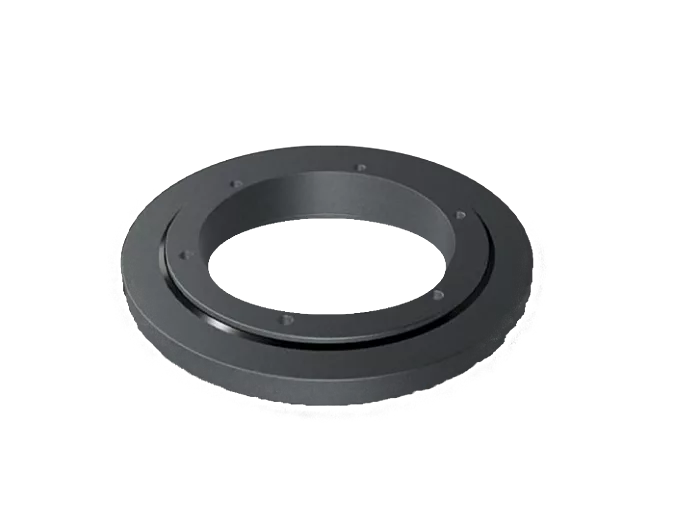
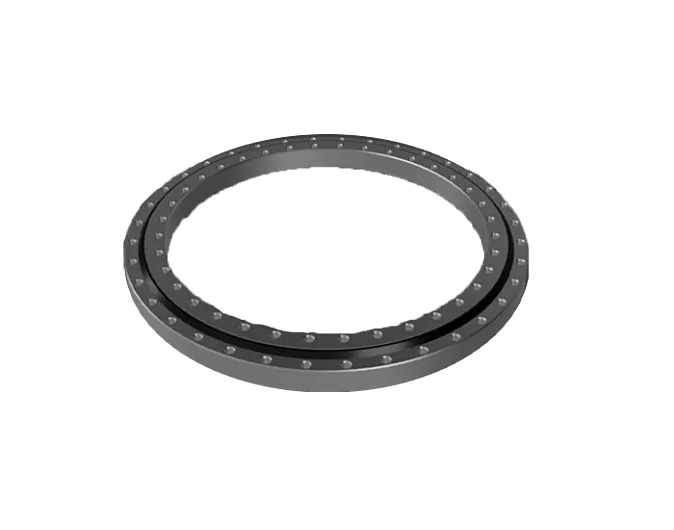
Typical Product: Ball slewing ring, without gear
Outer diameter: 350mm – 500mm

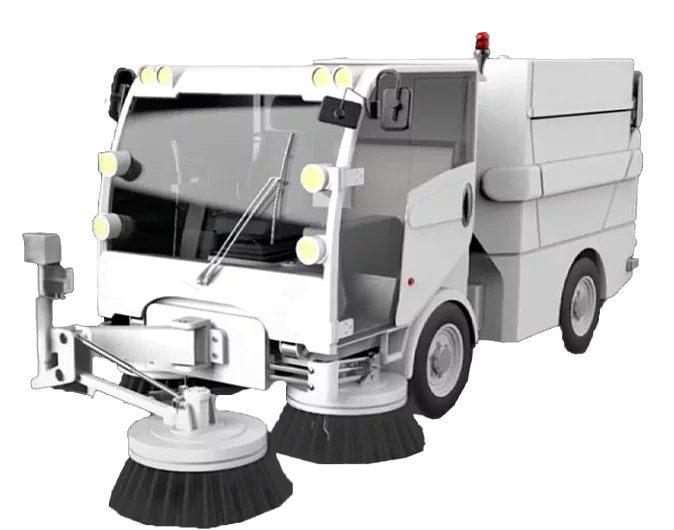
Urban Street Sweepers

  • Fe/ZN25/Cr3+ Coating against corrosion with tightly tolerated layer thickness
  • Tighter tolerated internal clearance
  • Grease optimization for longer service life
  • Customized bore pattern
  • Precise coaxiality of the bolt circle
  • Groove at inner ring for pressure-tight shaft sealing
  • Inner ring groove for anti-rotation pin
  • Optimized inner geometry
  • Individual relubrication options through application-specific lubrication-holes
Applications

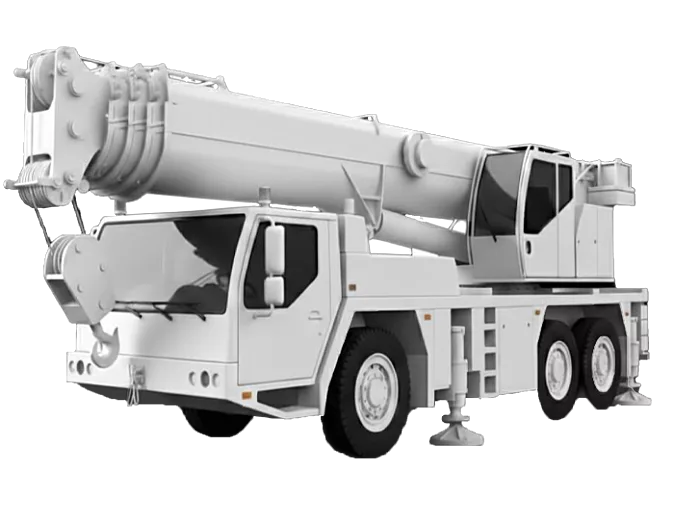
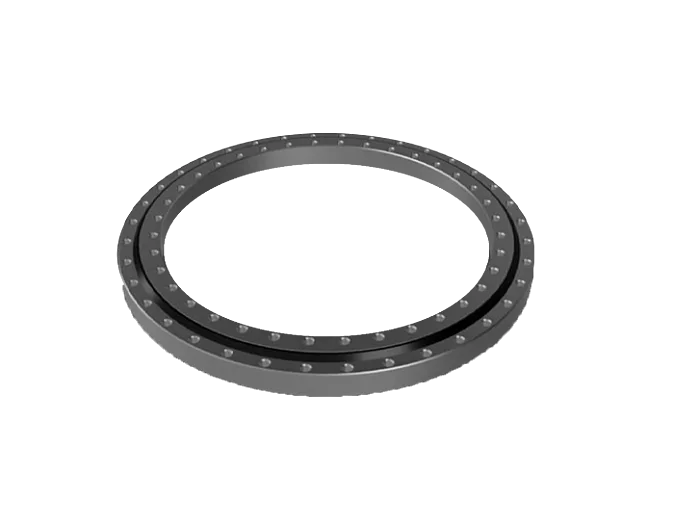
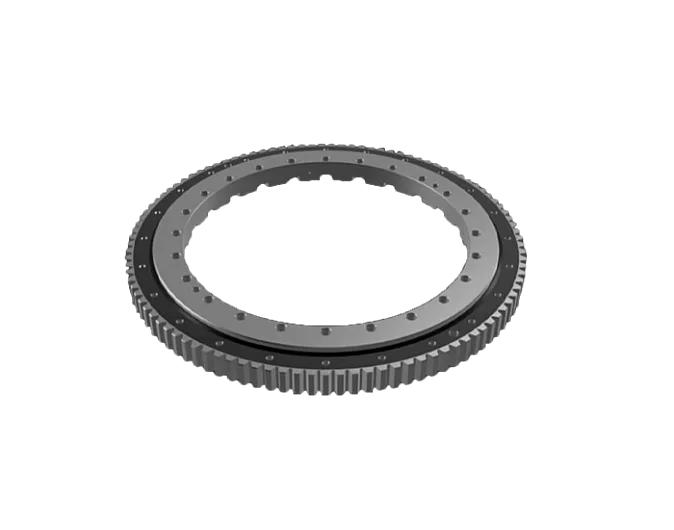
Typical Product: Ball slewing ring, without gear
Outer diameter: 800 mm – 1.500 mm


Heavy-Duty Mobile Crane
  • Tightly controlled tilting clearance
  • Optimized sealing system for demanding external conditions
  • Optimized inner geometry
  • Customized hole pattern including mounting holes for easier assembly
  • Application-specific spacer geometry for rolling elements
  • Tightly controlled bearing clearance
  • Special outer geometry
  • 100% pre-lubricated with defined lubricant

Applications

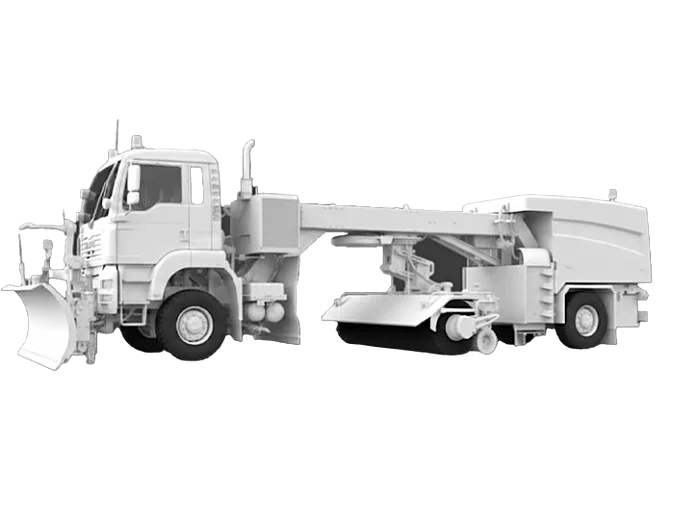
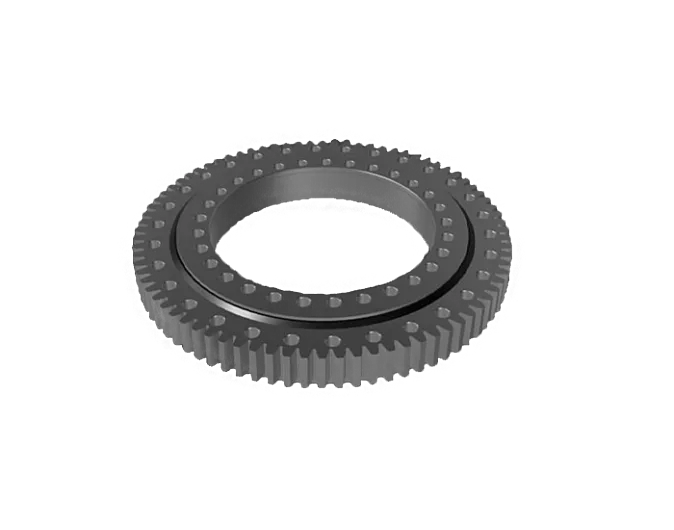
Typical Product: Ball slewing ring, with gears
Outer diameter: 500 mm – 1.000 mm


Jet Sweeper

  • Application-specific gear module
  • Special design (outer geometry)
  • Customized gearing
  • Tightly controlled axial and radial clearance
  • Application-optimized lubricant
  • Lightweight design through reduced cross-section

Applications

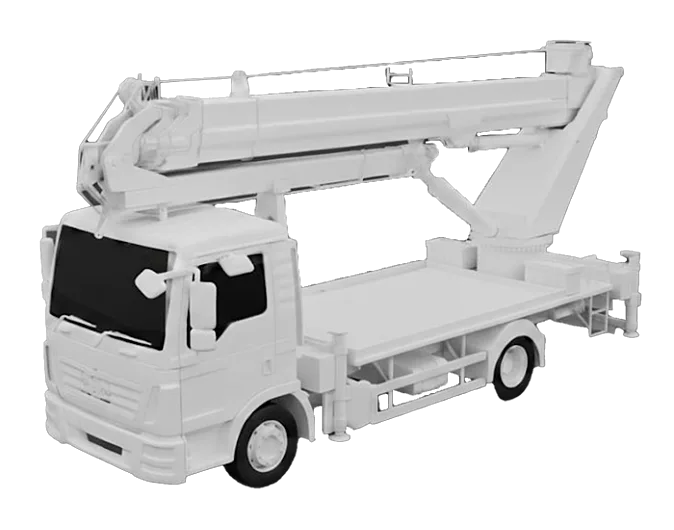
Typical Product: Slewing ring, with gears
Outer diameter: 500 mm – 1.500 mm


Mobile Cranes and Height Access Technology
  • Customized gear module
  • Customer-specific coating in RAL color tone
  • Tightly controlled axial and radial slewing ring clearance
  • Tightly controlled flatness and runout
  • Optimized inner geometry
  • Optimized sealing lip system
  • Customized bore pattern

Applications

Typical Product: Four point bearing, without gears
Outer diameter: 500 mm – 1.200 mm


Articulation Systems for Buses

  • Lightweight design through reduced cross-section
  • Four-point contact design for high rigidity and load capacity; operational reliability; extended service life
  • Optimized sealing lip system
  • Tightly controlled axial and radial clearance
  • Grease optimization for longer service life
  • Customized drilling pattern for easy maintenance

Do you have any questions about our products?
Our team of experts will be happy to advise you.